
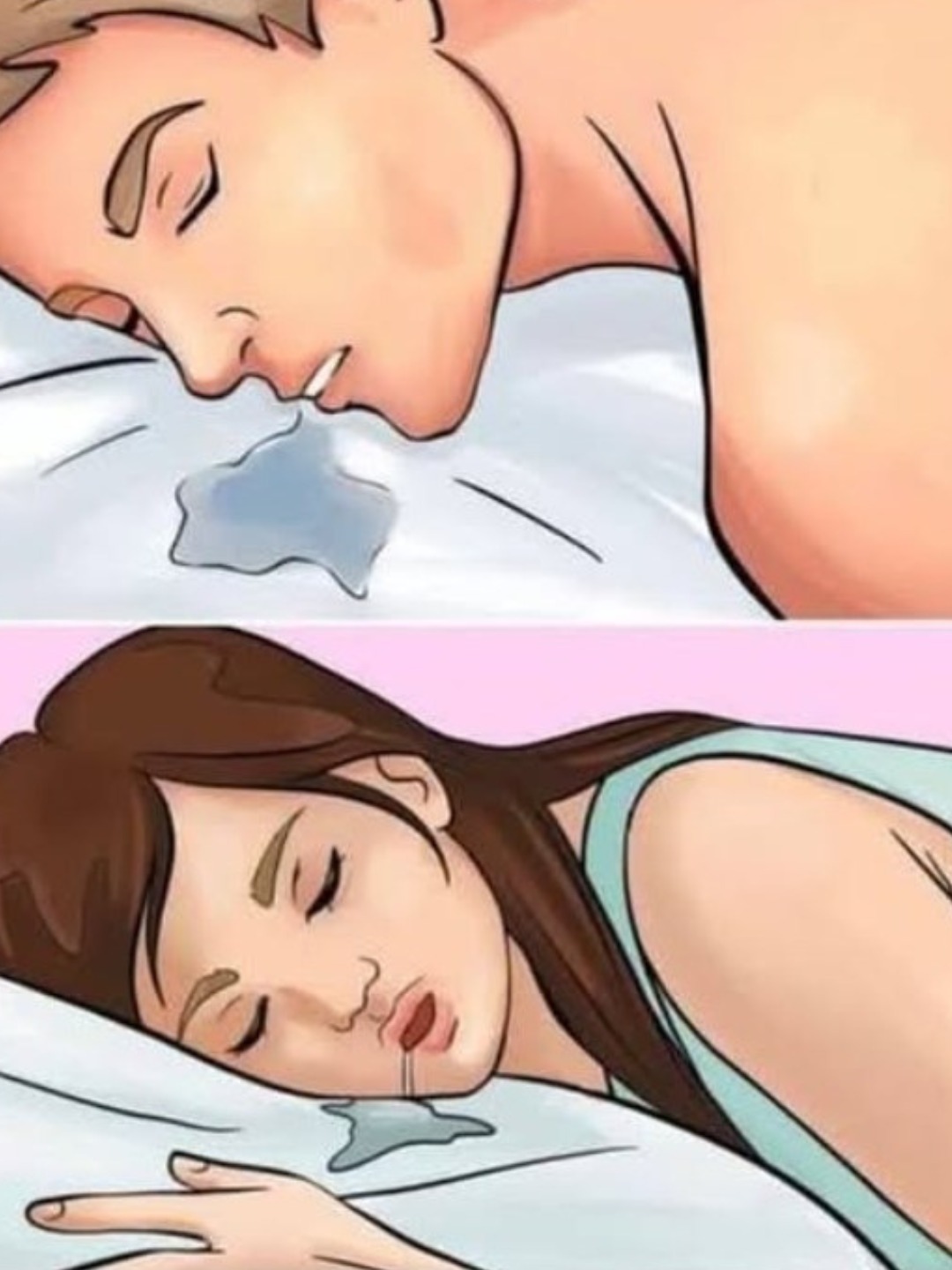
Możliwe przyczyny do rozważenia:
If drooling is persistent and accompanied by snoring, daytime fatigue, headaches, or choking at night , it may be time to talk to a healthcare provider about possible sleep-disordered breathing or allergy-related congestion .
How to Reduce Excessive Drooling at Night
If drooling is bothersome or affecting your confidence, there are simple steps you can take to reduce it:
1. Change Your Sleeping Position
Try sleeping on your back to help keep your mouth closed and encourage natural swallowing.
2. Use an Anti-Drool Pillow or Liner
Silk pillowcases or absorbent liners can make clean-up easier and protect your bedding.
3. Treat Nasal Congestion
Use saline sprays, nasal strips, or allergy medication to clear airways and promote nose breathing.
4. Stay Hydrated
Drinking enough water helps regulate saliva consistency and reduces nighttime pooling.
5. Review Medications with a Doctor
Some medications can increase salivation. If you suspect a link, consult your prescribing physician.
6. Consider Sleep Apnea Screening
If you snore heavily, wake up tired, or have been told you stop breathing at night, ask your doctor about a sleep study.
Ostatnie przemyślenia: wilgotna poduszka nie zawsze jest problemem
Ślinienie się podczas snu jest częstsze, niż mogłoby się wydawać — i w wielu przypadkach jest po prostu oznaką, że Twoje ciało głęboko się relaksuje i otrzymuje odpowiedni odpoczynek.
Jednak jeśli jest to ciągłe, uciążliwe lub wiąże się z innymi niepokojącymi objawami, może to być sposób organizmu na sygnalizowanie czegoś głębszego — czy to problemów z nosem, problemów ze snem, czy skutków ubocznych leków.
Zrozumienie przyczyny ślinienia się pozwala poprawić swój sen i ogólne samopoczucie — bez wstydu i zamieszania.
Więc następnym razem, gdy obudzisz się z mokrą poduszką, nie panikuj.
Zatrzymaj się na chwilę — i zdecyduj, czy to tylko dziwność snu... albo wskazówka warta podążania.